
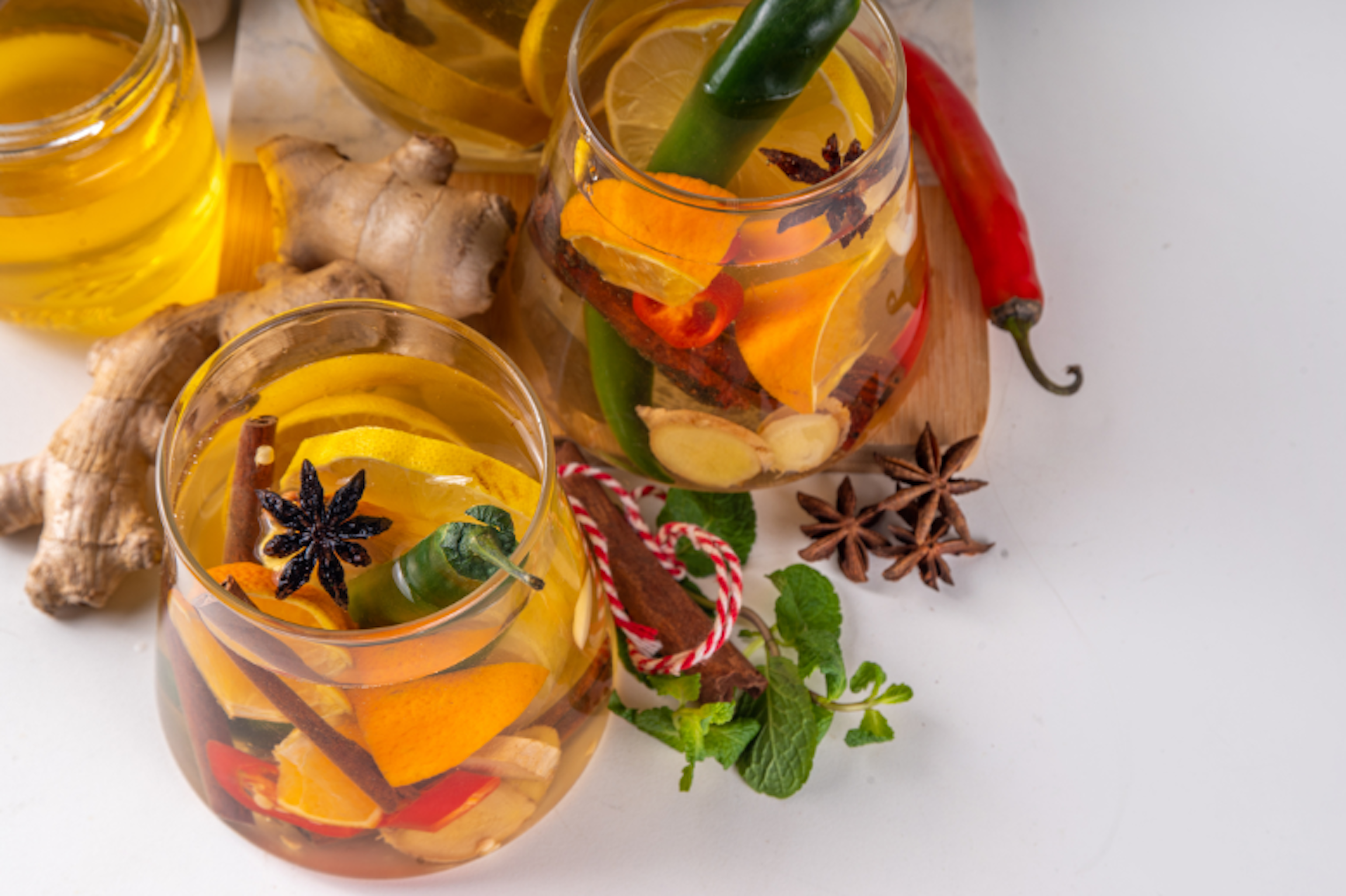
Walk into any craft cidery worth its salt, and you'll find someone obsessing over flavor combinations with the intensity of a perfumer mixing a signature scent. At Ciderworks at the Story Tavern in Burbank, that obsession translates into every glass poured. But what actually goes into creating a memorable cider? The answer involves more chemistry, artistry, and plain old trial-and-error than most people realize.
What Makes Cider Blending Different from Brewing or Winemaking?
Cider occupies a unique space in the fermented beverage world. Unlike beer, which relies on grains and hops for its flavor profile, cider starts with apples—and apples bring an astonishing range of characteristics to the table. Unlike wine, which typically showcases a single grape variety or a traditional blend, cider blenders have access to thousands of apple varieties, each contributing different levels of sweetness, acidity, tannins, and aromatic compounds.
The real magic happens when a cider maker understands how these elements interact. A single-variety cider can be interesting, sure, but blending multiple apple types creates complexity that keeps your palate engaged from the first sip to the last. It's the difference between a solo performance and a full orchestra.
The Five Apple Categories Every Cider Blender Needs to Know
Professional cider makers categorize apples based on their chemical makeup and flavor contributions. Understanding these categories explains why your favorite cider tastes the way it does.
Sharp Apples
High in acidity, low in tannins. These apples bring brightness and zip to a blend. Think of them as the citrus notes in a cocktail—they wake everything up and provide structure. Without enough acidity, ciders taste flat and one-dimensional.
Bittersweet Apples
Low in acidity, high in tannins. These are the workhorses of traditional European cider making. The tannins provide body, complexity, and that slight drying sensation on your palate. They're what give certain ciders that wine-like quality.
Bittersharp Apples
High in both acidity and tannins. These intense apples are used sparingly but strategically. They add backbone and structure, preventing the final product from feeling too soft or sweet.
Sweet Apples
Low in both acidity and tannins, but high in sugar content. These contribute fermentable sugars and round out harsh edges. However, using too many sweet apples results in bland, characterless cider.
Aromatic Apples
The wild cards. These varieties bring distinct flavors—floral notes, tropical fruit, berry characteristics, or spice. A small percentage of an aromatic apple can completely transform a blend's personality.
Master blenders at places like Ciderworks don't just know these categories intellectually—they know them intimately, having tasted and tested countless varieties over years of experimentation.
How Does Fermentation Change the Game?
Pressing apples and mixing juice is just the beginning. Fermentation is where intent meets reality, and where many blending decisions get tested.
When yeast converts apple sugars into alcohol, it also produces hundreds of flavor compounds. The yeast strain matters enormously. Some yeasts produce clean, neutral flavors that let the apples shine through. Others contribute fruity esters, spicy phenols, or funky barnyard notes. Temperature during fermentation affects the outcome too—cooler fermentations preserve delicate aromatics, while warmer ones create bolder, more assertive flavors.
Many cider makers blend at different stages. Some mix the apple juice before fermentation, creating what's called a "field blend." Others ferment varieties separately and blend the finished ciders, which offers more control but requires more tank space and planning. Some even employ both techniques, creating a base blend before fermentation and then adjusting with single-variety ciders afterward.
The decision of when to blend fundamentally shapes the final product. Pre-fermentation blending allows flavors to marry and integrate during the fermentation process itself. Post-fermentation blending gives the cider maker precision control, enabling them to dial in exact flavor profiles and correct imbalances.
What Role Do Additions Play in Modern Cider?
While purists might insist on apple-only ciders, many contemporary cider makers embrace additions to create distinctive flavor experiences. This isn't about masking poor-quality fruit—it's about expanding the flavor palette.
Hops, borrowed from brewing tradition, add aromatic complexity and bitterness that complements certain apple profiles beautifully. Stone fruits like peaches or cherries bring their own acids and sugars that interact with apple tannins in interesting ways. Spices, herbs, and even vegetables show up in experimental ciders that push boundaries.
The key is balance and purpose. A raspberry addition should taste like it belongs with the apples, not like someone dumped berry syrup into an apple drink. When done well, these additions create something greater than the sum of parts—a cider that couldn't exist any other way.
At Ciderworks, the approach to additions respects the apple base while exploring complementary flavors that make sense for the season, the occasion, or simply the creative vision behind a particular batch.
How Do Cider Makers Actually Develop a Blend?
Creating a new cider blend isn't a lightning-strike moment of inspiration. It's methodical, iterative, and often humbling work.
Most professional cider makers start with bench trials—small-scale test blends using measured samples of different ciders or apple varieties. They'll create dozens of variations, adjusting percentages and taking detailed notes on each combination. What seemed promising in theory might taste muddled in practice. A ratio that works at small scale might not scale up successfully.
Sensory evaluation is crucial. Trained palates assess aroma, flavor, mouthfeel, and finish. Does the acidity feel integrated or harsh? Do the tannins provide structure or astringency? Does the finish leave you wanting another sip? These assessments happen at various stages as the cider develops, since flavors continue evolving even after fermentation completes.
The final blend often differs significantly from the initial vision. Maybe a planned 30% of one variety overwhelms the blend at anything above 15%. Perhaps an apple that tasted unremarkable on its own becomes essential at just 5% of the final mix, providing an aromatic lift that ties everything together.
Why Does Terroir Matter in Cider?
Wine enthusiasts talk endlessly about terroir—how soil, climate, and geography influence flavor. The same concept applies to cider apples, though it gets less attention.
An apple variety grown in Washington State won't taste identical to the same variety grown in Virginia or England. Soil composition affects nutrient uptake, which influences flavor compound development. Climate determines sugar accumulation and acid levels. Even the specific microorganisms present in different orchards can contribute to fermentation characteristics.
This means that cider blending isn't just about combining apple varieties—it's about combining fruit from specific places, harvested at specific times, each bringing its own terroir to the final product. A blender working with locally sourced fruit develops intimate knowledge of how those particular apples behave, creating a sense of place in the finished cider.
What Does the Future of Cider Blending Look Like?
The craft cider movement is experiencing rapid evolution. Cider makers are rediscovering heritage apple varieties that were nearly lost to history. They're experimenting with wild fermentation using native yeasts. Some are aging ciders in spirits barrels, creating complex, layered products that challenge preconceptions about what cider can be.
Technology plays a role too. Modern analytics allow cider makers to measure tannin levels, acid profiles, and aromatic compounds with precision that previous generations couldn't access. This data informs blending decisions, though it doesn't replace the human palate's ability to judge whether something actually tastes good.
The most exciting development might be the growing appreciation for cider's diversity. Consumers are learning that cider isn't one thing—it's a spectrum of possibilities ranging from bone-dry and tannic to rich and fruit-forward, from funky and complex to clean and refreshing.
How Can You Appreciate Cider Blending as a Drinker?
Next time you're at Ciderworks or any craft cidery, approach your tasting with curiosity. Notice the color—is it pale straw or deep amber? Take in the aroma before sipping. Does it smell like fresh apples, or do you detect floral notes, spice, or earthiness?
When you taste, pay attention to the structure. How does the acidity feel? Is there a tannic grip? Does the finish linger or disappear quickly? If you're trying multiple ciders, notice how different they are from each other—that diversity reflects the blender's choices and skills.
Ask questions. Most cider makers love talking about their process, the apples they use, and why they made specific blending decisions. Understanding the thought and work behind each pour deepens your appreciation and connects you to the craft.
Cider blending is both science and art, requiring technical knowledge and creative vision. Every glass represents countless decisions, from orchard to fermentation to final blend. That's worth raising a glass to.